
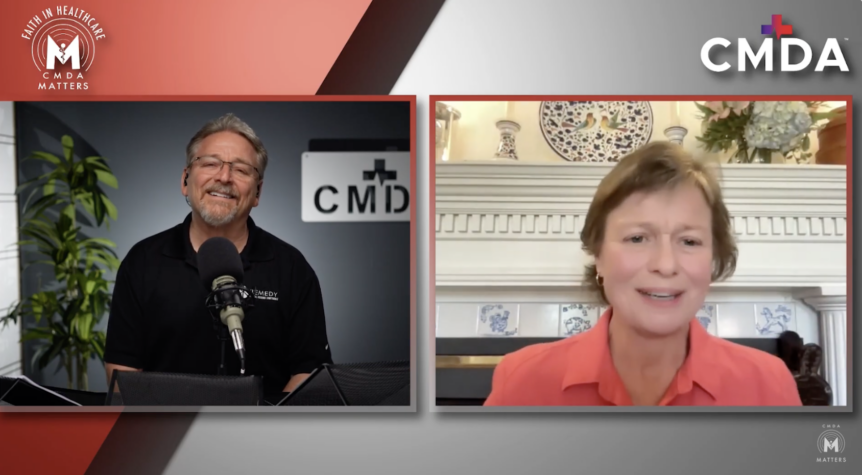
GLP-1s have taken the medical world by storm — and for good reason. They have transformed the care of patients with diabetes, and have helped curb appetite for patients with obesity. Here I am interviewed by Dr. Mike Chupp for his Faith in Healthcare podcast — below see the description and link for the Apple Podcast episode, and then for the YouTube version.
[Disclaimer to my medical readers: I somehow called insulin a “cell” (and more than once!) Yikes! Don’t worry, I know it is a hormone.]
“Dr. Amy Givler returns to join host Dr. Mike Chupp for the first of two episodes exploring one of the most talked-about drug classes in medicine today: GLP-1 receptor agonists. A family physician who has served patients in northeast Louisiana for decades, Dr. Givler brings both clinical depth and transparency to a conversation happening in primary care offices across the country every single day. They cover how these medications work, who they’re for, what side effects look like, what happens when patients stop taking them, and the honest questions medicine still can’t fully answer.”
https://podcasts.apple.com/us/podcast/cmda-matters/id895514197?i=1000771131169
“GLP-1 medications like Ozempic, Wegovy, and Mounjaro are transforming the treatment of obesity and diabetes—but are they really as effective as people claim? In this episode of Faith in Healthcare, family physician Dr. Amy Givler joins us to explain the science behind GLP-1 receptor agonists, how they work, who they’re designed for, and what patients should know before starting treatment. We discuss:
- How GLP-1 medications actually work
- The truth about “food noise”
- Side effects and safety concerns
- Weight regain after stopping treatment
- Obesity, diabetes, and long-term health risks
- Why many physicians are embracing these medications
- The questions researchers still can’t fully answer
Whether you’re a healthcare professional, a patient considering treatment, or someone seeking a Christian perspective on modern medicine, this conversation offers practical insight, clinical wisdom, and thoughtful discussion.”
The YouTube link: https://www.youtube.com/watch?v=9YAGyI17FXc